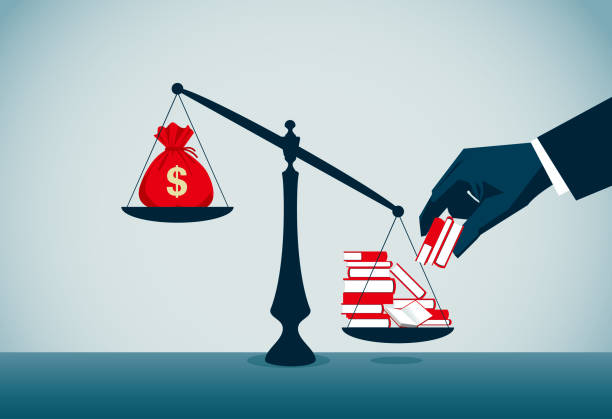
Opinion and analysis are the highest forms of legal commentary — going beyond the description of what the law says to engage with what it means, whether it is just, how it should be interpreted, and where it should go. The best legal opinion writing combines technical legal knowledge with the broader perspective on social, economic, and ethical dimensions that determines whether legal rules actually serve the purposes they are designed for.
ilegalopinion.com provides this level of professional legal perspective — commentary and analysis from people who know the law deeply enough to have genuinely informed opinions about it, and who are willing to share those opinions with the clarity and rigour that legal analysis demands.
Judicial Decision Commentary: Beyond the Holding
When a court issues a significant decision, the legal community produces enormous volumes of commentary. But much of this commentary focuses narrowly on the technical legal implications — what the holding means for pending cases, how it modifies existing doctrine, what arguments are now available or foreclosed. Less common is commentary that engages with the broader significance of decisions: whether they are intellectually coherent, whether they serve justice, what they reveal about judicial philosophy.
ILegalOpinion provides this deeper level of judicial commentary — engaging with significant decisions as intellectual products that deserve evaluation on their own terms, not just as practical precedents to be applied. This critical analytical perspective on judicial decision-making serves legal practitioners, academics, law students, and educated observers who want to understand law at a deeper level.
Legislative Critique: Laws and Their Consequences
Legislation is the product of political processes that frequently prioritize political viability over legal coherence or practical effectiveness. Laws that are internally inconsistent, that produce unintended consequences, that conflict with constitutional requirements, or that fail to achieve their stated purposes are all too common. Critical analysis of legislation — examining not just what laws say but whether they work — is an important form of professional legal opinion.
ILegalOpinion examines legislation with this critical eye — identifying the legal and practical problems with specific statutory provisions, assessing whether regulatory frameworks are achieving their goals, and contributing to the policy conversation about how laws should be reformed to better serve their underlying purposes. This legislative critique serves both the practice of law and the broader public interest in effective legal governance.
Comparative Legal Perspectives
Legal systems around the world approach similar problems with different frameworks, different philosophical foundations, and different institutional arrangements. Comparing how different legal systems handle shared challenges — criminal sentencing, corporate governance, privacy protection, contract interpretation — generates insights about the range of possible approaches and the tradeoffs between them.
ILegalOpinion draws on comparative legal perspectives to enrich analysis of domestic legal issues — examining how other jurisdictions have approached similar questions, what results those approaches have produced, and what lessons the comparison suggests for domestic legal reform or interpretation. This comparative dimension adds depth to legal analysis that purely domestic perspectives cannot provide.
Ethics in Legal Practice: Professional Responsibility
Legal ethics — the professional responsibility rules that govern lawyer conduct — address some of the most practically important and philosophically interesting questions in the profession. The limits of client confidentiality. The boundaries of zealous advocacy. Conflicts of interest and their management. The duties owed to clients, courts, third parties, and the legal system itself. These questions do not have simple answers, and the best professional responsibility analysis acknowledges their genuine complexity.
ILegalOpinion engages with legal ethics issues with the seriousness they deserve — providing the kind of nuanced professional responsibility analysis that serves practitioners navigating difficult ethical situations, educators teaching professional responsibility, and legal system observers interested in the self-regulatory mechanisms of the legal profession.
Access to Justice: The Legal System’s Central Challenge
The gap between the legal rights people possess and their practical ability to enforce them represents one of the most significant failures of modern legal systems. This access-to-justice gap affects not just individuals with legal problems but the legitimacy and social function of the legal system itself — a legal system that works well only for those with resources is not delivering on its foundational promise of equal justice under law.
ILegalOpinion addresses access to justice issues with the urgency and analytical depth they deserve — examining the structural causes of the access gap, evaluating proposed solutions from legal aid expansion to technology-enabled self-help tools, and contributing to the professional conversation about what the legal community owes to the society it serves. These are not comfortable questions, and ILegalOpinion does not pretend they have easy answers.
Leave a Reply